Remote Work Guide to Sakai
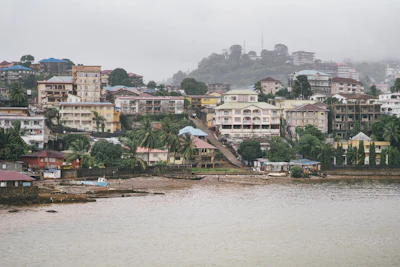
Sakai offers a blend of traditional Japanese culture and modern convenience just south of Osaka. With affordable living costs and excellent safety, it's a hidden gem for remote workers seeking a quieter base.
- Est. Budget
- $1300/mo
- Internet
- 150 Mbps
- Nomad Vibe
- 6/10
- Timezone
- UTC+9
📊 Remote Worker Score
Overall liveability breakdown for digital nomads.
💰 The Cost of Living
Estimated Budget: ~$1300/mo
Sakai is noticeably cheaper than central Osaka, with average one-bedroom rent around $600 per month. Utilities (electricity, water, gas) add roughly $150, and internet about $40. Cooking at home keeps food costs low, while eating out for a local meal runs about $8. Transportation is efficient but can add up if you commute daily to Osaka; a monthly commuter pass is around $100. Hidden costs include mandatory health insurance if staying long-term and high security deposit for apartments (often 2-3 months' rent).
🌤️ Weather & Climate
Sakai has a humid subtropical climate with hot, humid summers and mild winters. Spring (March to May) and autumn (October to November) are the most pleasant seasons, with comfortable temperatures and low rainfall. Summers often see typhoons and high humidity, which can be challenging. Winters are cool but rarely drop below freezing, making it a year-round destination for those who can handle the seasonal extremes.
| Season | Temp | Condition | Nomad Rating |
|---|---|---|---|
| Jan - Mar | 5-12°C | Cold, dry, occasional clear skies | ⭐⭐⭐ |
| Apr - Jun | 15-25°C | Pleasant warm, cherry blossoms, light rain | ⭐⭐⭐⭐⭐ |
| Jul - Sep | 25-35°C | Hot, humid, typhoon season | ⭐⭐ |
| Oct - Dec | 10-20°C | Mild, cool autumn foliage, low humidity | ⭐⭐⭐⭐ |
Plan your trip for
Mar - May
💻 Workspace & Real Connectivity
Coworking spaces in Sakai are limited – most digital nomads work from home or cafes with free WiFi. Dedicated desk memberships in the few available spaces cost about $200 per month. For a more vibrant coworking scene, Osaka's many facilities are a 20-minute train ride away. Internet speed at home averages 150 Mbps, with fiber connections common, making video calls and large uploads smooth. Power cuts are rare, but having a backup mobile hotspot is wise for typhoon season.
- Stability: Highly stable, rare outages
- eSIM: Available via Airalo, Holafly, and local providers like Mobal
- Local SIM: ~$30/month for 30GB data (prepaid)
🏠 Everyday Life Essentials
Before packing your bags, here are the practical details about living in Sakai. Knowing these nuances can make or break your remote setup.
🚑 Safety & Healthcare
Japan's healthcare system is excellent, and Sakai has several well-equipped public hospitals and clinics. Treatment quality is high, but without Japanese health insurance, costs for a doctor visit can be around $50-$100. Nomads should have comprehensive travel insurance that covers outpatient and emergency care. Pharmacies are abundant and staff can usually understand basic English for common medications. The city is extremely safe, with very low crime rates and a strong police presence.
🍜 Food Scene
Sakai offers a rich variety of Japanese cuisine, from local specialties like okonomiyaki and takoyaki to fresh sushi and ramen. A typical meal at a mid-range restaurant costs around $8, and grocery prices are reasonable. Tap water is safe to drink everywhere. Many restaurants accept cash, but IC cards (like ICOCA) can be used in convenience stores and vending machines. Street food is limited compared to Osaka, but local markets provide fresh produce and seafood.
Local Meal Avg.
🛵 Getting Around (Transport)
Sakai is moderately walkable, especially in the central areas near train stations. A bicycle is highly recommended for daily errands and exploring residential neighborhoods. The train network (JR and Nankai lines) connects Sakai to Osaka in about 20 minutes and to Kansai Airport in 30 minutes. Buses supplement the trains but are less frequent. Taxis are expensive, so budget for smart travel using IC cards. Overall, getting around is easy and efficient without a car.
- Ride-hailing: Uber not common; use local taxis or app-based services like JapanTaxi
- Scooter: Not recommended – bicycle or walking preferred; scooter rentals require Japanese license
- Airport: 30 minutes by train to Kansai International Airport
- Traffic: Moderate – congestion on main roads during rush hours
Monthly Transit Budget
Estimated cost for local transport, scooter rental, or ride-hailing apps.
🛂 Visas & Nomad Taxes
Japan currently does not have a dedicated digital nomad visa, but citizens of many countries can enter visa-free for up to 90 days. Extensions are possible by leaving the country and re-entering (border runs) or by applying for a long-term visa like a working holiday (for eligible nationals) or a student visa. For stays longer than 90 days, formal residency registration is required.
💼 Tax Landscape
Japan taxes residents on their worldwide income if they stay more than one year in a tax year (non-permanent resident status). For stays under one year, only Japan-source income is taxed. There is no special digital nomad tax exemption. Short-term visitors on tourist visas are not considered tax residents. If you work for a foreign company, ensure you understand your home country's tax treaty with Japan to avoid double taxation.
Common Visas
- 90-day tourist visa (visa-free for many countries)
- Visa extensions via border runs
- Short-term business visa
🗣️ Language & Culture
Japanese culture emphasizes politeness, punctuality, and harmony. Bowing is a common greeting, and removing shoes before entering homes is mandatory. Tipping is not practiced. English is not widely spoken, so learning basic phrases like 'thank you' (arigato) and 'excuse me' (sumimasen) goes a long way. Public behavior – like eating while walking – is generally frowned upon. Respecting queues, noise levels, and recycling rules is essential to blend in.
English Proficiency
🗺️ Best Areas for Remote Workers
| Area | Avg Rent | Noise | Walkability | Best For |
|---|---|---|---|---|
| Sakai City Center (Sakai-ku) | $700/mo | Lively | 8/10 | Nightlife and convenience |
| Nishi Ward | $600/mo | Quiet | 6/10 | Families and long-term stays |
| Mihara | $500/mo | Quiet | 5/10 | Budget living |
| Hamadera | $550/mo | Moderate | 7/10 | Beach access and parks |
🏠 Everyday Life Pros & Cons
👍 Pros
- ✅ Affordable rent compared to central Osaka
- ✅ Excellent public safety and low crime
- ✅ Well-connected by train to Osaka and Kansai Airport
- ✅ Rich history and cultural sites like the Mozu Tombs
- ✅ High-quality internet infrastructure
- ✅ Clean streets and efficient public services
👎 Cons
- ❌ Limited nightlife and entertainment options
- ❌ Language barrier – few locals speak English
- ❌ Hot and humid summers with typhoon risk
- ❌ Few dedicated coworking spaces; need to commute to Osaka
- ❌ Bicycle theft can be an issue in some areas
- ❌ Far from major international hubs like Tokyo
⚠️ Common Mistakes in Sakai
Avoid these beginner traps to save money and stress:
- — Not getting an IC card (e.g., ICOCA) for seamless travel on trains and buses
- — Assuming everyone speaks English – learning basic Japanese is essential
- — Ignoring the strict trash separation rules – fines can be steep
- — Relying solely on credit cards – many small shops and restaurants are cash-only
- — Not renting a bicycle – it's the best way to get around in residential areas
- — Underestimating the humidity in summer – pack light, breathable clothes
- — Forgetting to register your residence if staying over 90 days – required by law
💬 Remote Worker Reviews
📊 Data Sources & Methodology
To ensure accuracy, the cost of living index and city data are aggregated from multiple global databases:
Internet speeds: Ookla Speedtest Global Index.
Safety & Crime: Numbeo Safety Index and global crime reports.
Air Quality (AQI): IQAir realtime data.
Budgeting: Aggregated from Numbeo, NomadList, and localized expat housing communities.
* AI analysis provided by Google AI algorithms trained on the latest remote work trends.
How does Sakai compare?
Compare living costs and stats with other popular nomad destinations.