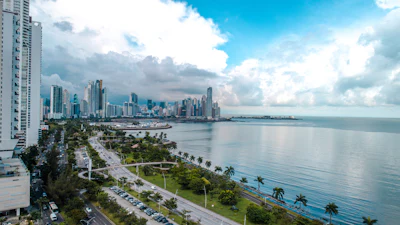
Remote Work Guide to Cuenca
Cuenca offers a blend of colonial charm and modern amenities at a low cost. It's a top pick for digital nomads seeking a temperate climate and rich culture.
- Est. Budget
- $830/mo
- Internet
- 20 Mbps
- Nomad Vibe
- 8/10
- Timezone
- UTC-5
📊 Remote Worker Score
Overall liveability breakdown for digital nomads.
💰 The Cost of Living
Estimated Budget: ~$830/mo
Monthly expenses in Cuenca range from $800 to $1,200 for a comfortable lifestyle. Rent for a one-bedroom apartment averages $450, but neighborhoods like Totoracocha can be as low as $350. Utilities (electricity, water, gas) add about $50–$70. Eating local set meals (almuerzos) costs $2.50–$4, while Western food can double that. Hidden costs include higher electricity bills if using heaters or air conditioning — rent with included utilities to avoid surprises.
🌤️ Weather & Climate
Cuenca enjoys a subtropical highland climate with spring-like temperatures year-round (10–20°C). The dry season from June to September brings abundant sunshine and clear skies, making it the ideal time for exploring. The rest of the year features intermittent rain, especially in the afternoons. Despite the rain, temperatures remain pleasant, and the city’s eternal spring reputation holds true. Pack layers and a rain jacket to stay comfortable.
| Season | Temp | Condition | Nomad Rating |
|---|---|---|---|
| Jan - Mar | 10-20°C | Rainy with occasional sunny spells | ⭐⭐⭐ |
| Apr - Jun | 10-20°C | Transitioning from rain to dry | ⭐⭐⭐⭐ |
| Jul - Sep | 10-20°C | Dry and sunny, clear skies | ⭐⭐⭐⭐⭐ |
| Oct - Dec | 10-20°C | Rainy season returns | ⭐⭐⭐ |
Plan your trip for
Jun - Sep
💻 Workspace & Real Connectivity
Coworking spaces in Cuenca charge around $120 per month for a dedicated desk, with options like Idea Hub and Work Café offering reliable fiber internet (20–50 Mbps). Many cafés also have decent WiFi, though speeds vary. During rainy season, expect occasional drops; a backup hotspot is wise. The main library and some coffee shops near El Centro are popular among remote workers. Overall, connectivity is good enough for video calls with prep work.
- Stability: Generally stable, but occasional drops during heavy rain or power cuts
- eSIM: Available via Airalo and Holafly, though local SIM often cheaper
- Local SIM: ~10 USD for 10GB prepaid data (Claro or Movistar)
🏠 Everyday Life Essentials
Before packing your bags, here are the practical details about living in Cuenca. Knowing these nuances can make or break your remote setup.
🚑 Safety & Healthcare
Cuenca boasts excellent healthcare at a fraction of U.S. costs, with hospitals like Hospital Monte Sinaí and Clínica Santa Inés offering high-quality private care. Many doctors speak English, and appointments are quick and affordable (e.g., $30–$50 for a specialist visit). Pharmacies are abundant and well-stocked. Emergency services are reliable, and health insurance (e.g., from international providers) is recommended for full coverage.
🍜 Food Scene
Ecuadorian cuisine in Cuenca features hearty dishes like ceviche, llapingachos, and hornado. A local set lunch (almuerzo) costs $3–$4 and includes soup, main course, and juice. Tap water is generally safe to drink, but many expats opt for filtered water. Street food is inexpensive but hygiene varies — stick to busy stalls. Fresh produce from markets like Mercado 10 de Agosto is abundant and cheap.
Local Meal Avg.
🛵 Getting Around (Transport)
Cuenca is a walkable city, especially the historic center, with a walkability score of 7. Public buses cost $0.30 per ride and cover most areas, but can be crowded. Taxis and Uber trip within the city seldom exceed $3. Biking is less common due to hills and cobblestones. The airport is just 15 minutes from downtown, making weekend getaways easy. For longer trips, intercity buses are cheap and comfortable.
- Ride-hailing: Uber and local taxis are readily available and affordable
- Scooter: Not recommended due to hilly terrain and cobblestone streets
- Airport: 15 minutes from city center via taxi (~$5)
- Traffic: Light to moderate, congestion only near markets at peak hours
Monthly Transit Budget
Estimated cost for local transport, scooter rental, or ride-hailing apps.
🛂 Visas & Nomad Taxes
Ecuador grants a 90-day tourist visa upon arrival for most nationalities, which can be extended by another 90 days (total 180) at the immigration office in Cuenca. For longer stays, the Rentista visa requires proof of $1,200 monthly income for one year. Digital nomads often use friendly border runs to Peru or Colombia to reset the 90-day clock. No specific digital nomad visa exists yet, but the process is straightforward overall.
💼 Tax Landscape
Ecuador operates a territorial tax system: residents are taxed only on income earned within Ecuador. Foreign-sourced income is generally tax-free if you stay under 183 days. Digital nomads earning from abroad can avoid local taxes by maintaining non-resident status. However, if you become a fiscal resident (over 183 days), you must file and pay on local income (e.g., freelance work for Ecuadorian clients). Always consult a local accountant for precise advice.
Common Visas
- Tourist visa (90 days)
- Extension to 180 days
- Rentista visa
🗣️ Language & Culture
Cuencanos are warm and polite; greeting with 'buenos días' is essential. Tipping 10% is customary in restaurants. Spanish is the dominant language, and English speakers are limited outside expat hubs. Dress modestly when visiting churches. The concept of time is relaxed — appointments may start 15 minutes late. Respect for personal space is valued, and loud public arguments are frowned upon. Learning basic Spanish greatly enhances daily life.
English Proficiency
🗺️ Best Areas for Remote Workers
| Area | Avg Rent | Noise | Walkability | Best For |
|---|---|---|---|---|
| El Centro | $500/mo | Lively | 9/10 | Tourists & culture |
| El Ejido | $400/mo | Quiet | 7/10 | Families |
| Yanuncay | $450/mo | Moderate | 6/10 | Nature lovers |
| Totoracocha | $350/mo | Quiet | 5/10 | Budget travelers |
🏠 Everyday Life Pros & Cons
👍 Pros
- ✅ Low cost of living
- ✅ Mild, spring-like weather year-round
- ✅ Beautiful colonial architecture
- ✅ Friendly local community
- ✅ Good healthcare at affordable prices
- ✅ Walkable city center
👎 Cons
- ❌ Altitude can cause initial discomfort
- ❌ Spanish essential for deeper integration
- ❌ Occasional power outages
- ❌ Internet not always fiber-optic
- ❌ Bureaucratic processes can be slow
- ❌ Petty theft in crowded areas
⚠️ Common Mistakes in Cuenca
Avoid these beginner traps to save money and stress:
- — Not bringing warm clothes for cool evenings (altitude) even though days are sunny
- — Renting an apartment sight unseen without checking for mold or water pressure
- — Assuming all places accept credit cards — carry enough cash
- — Expecting high-speed internet in every neighborhood
- — Drinking tap water without verifying local safety (though generally safe)
- — Overlooking the altitude — take it easy the first few days
- — Forgetting to renew your tourist visa after 90 days
💬 Remote Worker Reviews
📊 Data Sources & Methodology
To ensure accuracy, the cost of living index and city data are aggregated from multiple global databases:
Internet speeds: Ookla Speedtest Global Index.
Safety & Crime: Numbeo Safety Index and global crime reports.
Air Quality (AQI): IQAir realtime data.
Budgeting: Aggregated from Numbeo, NomadList, and localized expat housing communities.
* AI analysis provided by Google AI algorithms trained on the latest remote work trends.
How does Cuenca compare?
Compare living costs and stats with other popular nomad destinations.