Remote Work Guide to Sucre
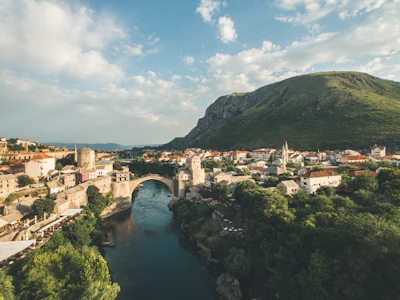
Sucre, Bolivia, is a colonial gem offering one of the lowest costs of living in South America, making it a paradise for budget‑conscious digital nomads. The city’s charming streets, mild climate, and friendly atmosphere are offset by slower internet and limited English.
- Est. Budget
- $620/mo
- Internet
- 25 Mbps
- Nomad Vibe
- 8/10
- Timezone
- UTC-4
📊 Remote Worker Score
Overall liveability breakdown for digital nomads.
💰 The Cost of Living
Estimated Budget: ~$620/mo
Rent for a furnished one‑bedroom in the historic center averages $300/month, while cheaper options exist in outer neighborhoods. Meals at local markets cost $2–4, and a cappuccino is around $2.50. Coworking spaces charge $70/month for a dedicated desk. Hidden costs include unavoidable bottled water and occasional inflation on imported goods. Negotiate long‑term rental discounts directly with landlords.
🌤️ Weather & Climate
Sucre enjoys a subtropical highland climate with mild temperatures year‑round, averaging 10–20°C. The dry season from May to September brings clear skies and cool nights, ideal for outdoor exploration. The rainy season (November to March) sees frequent afternoon downpours but remains warm. The best time to visit is during the dry winter months when the city is bathed in sunshine and the air is crisp.
| Season | Temp | Condition | Nomad Rating |
|---|---|---|---|
| Jan - Mar | 12-20°C | Warm, frequent rain | ⭐⭐⭐ |
| Apr - Jun | 10-19°C | Cooler, less rain, sunny days | ⭐⭐⭐⭐ |
| Jul - Sep | 8-18°C | Dry, crisp mornings, clear skies | ⭐⭐⭐⭐⭐ |
| Oct - Dec | 11-20°C | Warming up, occasional showers | ⭐⭐⭐⭐ |
Plan your trip for
May - Sep
💻 Workspace & Real Connectivity
Coworking options like CoWork Sucre and Espacio Coworking provide reliable Wi‑Fi (25 Mbps average) at affordable prices. Many cafes also offer decent internet, but speeds fluctuate during peak hours. Sucre’s quiet environment is ideal for focused work, though backup connectivity via a local data SIM is recommended. Power cuts are infrequent but happen briefly during storms.
- Stability: Moderate – fast speeds in cafes but occasional drops during storms; power cuts rare but possible
- eSIM: Limited eSIM support; local SIM from Tigo/Entel is cheap and reliable
- Local SIM: ~10 USD/mo for 10GB data, 4G coverage in city
🏠 Everyday Life Essentials
Before packing your bags, here are the practical details about living in Sucre. Knowing these nuances can make or break your remote setup.
🚑 Safety & Healthcare
Sucre has decent public hospitals and private clinics like Clínica Foianini offering basic care. For serious conditions, travel to La Paz or Santa Cruz is advisable. Pharmacies are abundant and well‑stocked. Emergency response is reasonable, but travel insurance is essential. The air is clean, and the city feels safe to walk at night in central areas.
🍜 Food Scene
Street food is a highlight – try salteñas (empanadas) for $1 and api (corn drink) for $0.50. Local markets like Mercado Central offer huge, cheap meals. Water is not safe to drink; always buy bottled or use a purification system. Vegetarian options are growing, but traditional Bolivian cuisine is meat‑heavy. International restaurants are limited but affordable.
Local Meal Avg.
🛵 Getting Around (Transport)
Sucre is highly walkable, especially the historic center with its narrow cobblestone streets. Public transport consists of minibuses and taxis; a ride across town costs $1–2. There is no metro or ride‑hailing app. For day trips, local buses to nearby villages are cheap and frequent. The airport is just 15 minutes from downtown, making arrivals stress‑free.
- Ride-hailing: No Uber or Bolt; use official taxis or radio taxis (negotiate fare in advance)
- Scooter: Not recommended – cobblestone streets and steep hills make scooters risky
- Airport: 6 km from city center, 20 mins by taxi (~5 USD)
- Traffic: Low – very peaceful, walking is preferred
Monthly Transit Budget
Estimated cost for local transport, scooter rental, or ride-hailing apps.
🛂 Visas & Nomad Taxes
Most nationalities receive a 30‑day tourist visa on arrival, which can be extended once for an additional 30 days at immigration offices. Nomads often perform border runs to Peru or Chile to reset their visa. For longer stays, consider applying for a temporary residence visa, but the process is bureaucratic and requires several documents. Always carry a photocopy of your passport and entry stamp—police occasionally check.
💼 Tax Landscape
Bolivia operates a territorial tax system – you are not taxed on income earned outside the country. Digital nomads staying less than 183 days per year are generally not considered tax residents. There is no specific nomad visa, but you can remain on tourist status with renewals. For longer stays, consult a local accountant to avoid surprises.
Common Visas
- Tourist visa (30 days, extendable to 90)
- Visa on arrival for many nationalities (30 days)
- Border runs to Peru or Chile for renewal
🗣️ Language & Culture
Bolivians are polite and formal – greet with 'buenos días' and a handshake. Punctuality is relaxed; expect meetings to start 15–30 minutes late. Spanish is essential – only tourist spots have English. Dress modestly, especially in churches. Tipping is not mandatory but appreciated (10% in nicer restaurants). Bargaining is common in markets but not aggressive.
English Proficiency
🗺️ Best Areas for Remote Workers
| Area | Avg Rent | Noise | Walkability | Best For |
|---|---|---|---|---|
| Centro Histórico | $350/mo | Lively | 10/10 | Sightseeing, cafes, digital nomads |
| La Recoleta | $280/mo | Quiet | 8/10 | Families, long-term stays |
| El Tejar | $250/mo | Moderate | 7/10 | Budget living, local markets |
| San Miguel | $320/mo | Quiet | 6/10 | Suburban calm, larger apartments |
🏠 Everyday Life Pros & Cons
👍 Pros
- ✅ Extremely low cost of living
- ✅ Stunning colonial architecture
- ✅ Mild, pleasant weather year-round
- ✅ Friendly, welcoming locals
- ✅ Rich cultural heritage and museums
- ✅ Great base for exploring Bolivia's diverse landscapes
👎 Cons
- ❌ Slow and occasionally unreliable internet
- ❌ Limited English spoken outside tourist areas
- ❌ Bureaucratic visa extensions can be tedious
- ❌ Tap water is not drinkable
- ❌ Few coworking spaces compared to larger cities
- ❌ Nightlife is quieter than in La Paz or Santa Cruz
⚠️ Common Mistakes in Sucre
Avoid these beginner traps to save money and stress:
- — Not bringing enough cash – ATMs often run out and cards are not widely accepted
- — Assuming everyone speaks English – basic Spanish is essential
- — Drinking tap water – always buy bottled or use a filter
- — Overlooking the altitude – Sucre is at 2,810m, take it easy the first few days
- — Relying solely on public transport – walking is often faster and safer in the center
- — Not checking visa validity – overstaying can lead to fines
- — Booking accommodation downtown without checking for noise – some streets are loud at night
💬 Remote Worker Reviews
📊 Data Sources & Methodology
To ensure accuracy, the cost of living index and city data are aggregated from multiple global databases:
Internet speeds: Ookla Speedtest Global Index.
Safety & Crime: Numbeo Safety Index and global crime reports.
Air Quality (AQI): IQAir realtime data.
Budgeting: Aggregated from Numbeo, NomadList, and localized expat housing communities.
* AI analysis provided by Google AI algorithms trained on the latest remote work trends.
How does Sucre compare?
Compare living costs and stats with other popular nomad destinations.